Growing Fruits And Vegetables In Autumn

Autumn is the perfect season to spend a lot of your time on your garden. This is because it isn’t too hot or too cold yet that you would feel uncomfortable out under the sun, spending several hours outdoors doing the usual gardening chores.

Autumn is also the perfect time for you start a fruit and vegetable garden on your outdoor space. If you don’t have one yet and you always keep putting off this project, then this season is the right time for you to try this out.

What Should You Plant?

Choosing the right varieties of fruits and vegetables to plant is crucial if you want to be sure you will have something to harvest during and before the end of autumn.

If your garden is located in the subtropical area (Southeast QLD and Northern NSW) or in the wet and dry tropical region (North Queensland, NT, and WA), the fruits and vegetables you should be planting include:

  • Capsicum
  • Carrots
  • Celery
  • Melons
  • Tomatoes
  • Sweet potatoes
  • Spinach
  • Spring onions
  • Turnips

For those living in temperate areas including Sydney, Victoria, and NSW’s coastal area, here are some of vegetables you should be planting:

  • Broad beans
  • Green beans
  • English spinach
  • Peas
  • Garlic bulbs

Garden Care

The usual garden care and maintenance steps are essential to ensure the healthy growth and yield of your vegetables and fruits. Watering them frequently with the right amount of hydration is essential. Spreading organic fertiliser and compost is crucial as well. Weeds have to be prevented from crowding your plants, too.

Aside from these, you need to make sure you protect your plants from pests. Without the right pest control strategies, you will lose all your fruits and veggies to insects, aphids, and fungal diseases.

Here are some safe, organic pest control and prevention tips you can implement in your garden:

  • Water the soil instead of the foliage to prevent leaf fungal diseases.
  • Control aphids with the use of pyrethrum.
  • If you notice some tomatoes have the spotted virus wilt (which is caused by nematodes), remove them immediately so that this disease won’t spread to the other yield.
  • Hang sticky yellow insect traps throughout the vegetable patch to attract and trap flying insects such as fruit flies and thrips.
  • Place old, unused pantyhose over the growing tomatoes to prevent fruit flies from ruining the fruits.

If you want to spend more time outdoors during autumn, do something worthwhile like starting a garden kitchen in your lawn. Although this can be a hard and time-consuming project, everything will be worthwhile once you start seeing and tasting the fruits (and vegetables) of your labour.

For more garden and landscaping tips, tune in for more Jim’s Mowing NZ blogs.

Why You Should Consider Hiring a Landscaper

There are many possible reasons you can think of as to why it is far better to work with someone when planning a garden for your property rather than do it on your own. You might have your own reason, too, such as having no time to do it (either to start or maintain it) or no skill for gardening, but you still would love to make your green property much delightful.

Whatever your reason is, opting to hire a contract landscaper is no doubt very beneficial. A seasoned contract landscaper would have the required know-how to complete the project for you. They would have the needed equipment and manpower to get the job done on time and without hassle. They would also have the expertise on almost every aspect of your lawn or gardening needs.

Here is a summary of the benefits you can get from hiring a seasoned contract landscaper.

They provide premium quality work. From basic landscaping, garden rejuvenation and clean-ups to doing regular maintenance work like mowing, weeding, hedging and trimming, you are certain that they can get all of it done with flying colors. In most cases, they would have someone on-site (the owner, ideally) at every job to oversee and ensure quality of work. From the moment you asked for a free no-obligation quote to the time the project is completed, someone is there acting as your client care specialist, making certain to deliver exceptional customer service.

They are honest and reliable. Seasoned contractors are very sensitive about delivering what they promise – and that is peace of mind. They are not just fully insured against public liability but are also registered and OHS compliant. It is also important to note that reliable landscapers are members of the Independent Lawn mowing Association of Australia, which is a respected organisation ensuring the security and credibility of individual contractors.

They have decades of professional work experience. There is no other way to prove their reliability than to see examples of their work. And they would be more than happy to provide references from previous clients. With years of experience, they know the ins and outs of every aspect of the gardening industry. They are completely aware of all the tasks required for each client’s gardening and lawn mowing needs because they have worked with different clients from various agencies such as real estate, schools, hotels, and government agencies. They know the difference between maintaining unit complexes around Melbourne and servicing commercial gardens around Brisbane.

They offer superior service at a  price you can afford. One of the best benefits of working with a contract landscaper is that they are able to customise almost everything in consideration of your budget requirements. Most seasoned contractors are small family businesses, which means you directly and personally work with them. They are able to provide excellent results at very affordable costs because you are not paying for royalties.

For more garden and landscaping tips, tune in for more Jim’s Mowing NZ blogs.
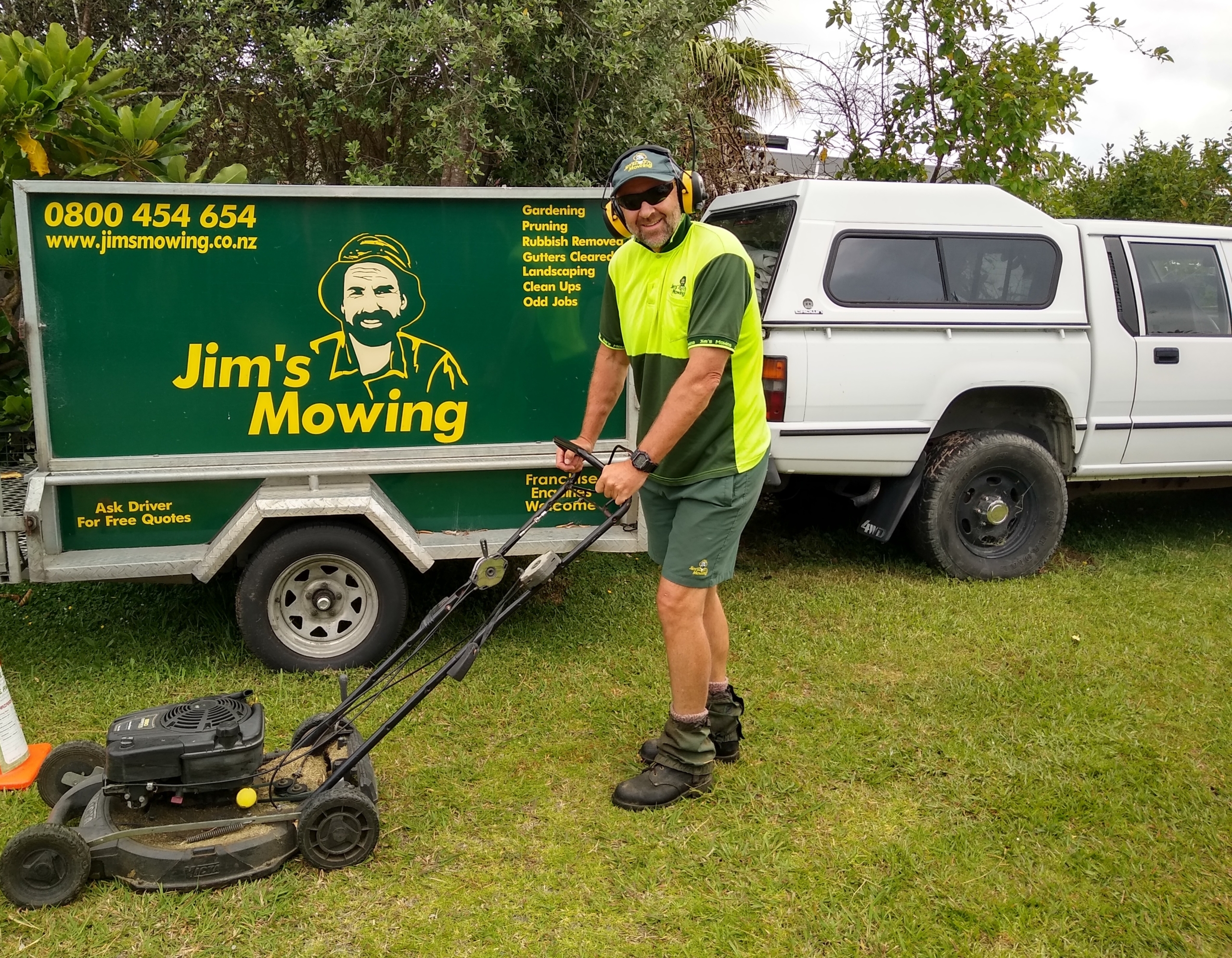
 

Jim's NZ team

What Do Commercial Landscapers Actually Do?

Landscaping can address aesthetics, air quality, biodiversity, local food production, water management, climate modification, and habitat creation. It can also help cool and warm your property.

Benefits of Commercial Landscaping

Commercial property owners can greatly benefit from commercial landscaping, which is a complete landscaping service that will include planning, designing, installation and maintenance of landscapes for both small and big businesses.

Studies have shown that with a well-maintained landscape, your business can attract new clients. Also, this will boost worker productivity. Investing in attractive landscaping is a great way of showing your ecological values to your customers. Let your customers know you are doing so by installing native plants and watering gardens, and using sustainable hardscape materials. Advocating the use of earth-friendly practices is also a smart move.

Sustainable Landscaping

Sustainable landscaping refers to designing and constructing the landscape around the building and enhancing the natural landscapes. It means putting back much of what might have been in place prior to development. It also means presenting things that weren’t there before to make sure that the landscape is economical and eco-friendly.

Plants that perform well in the area are very crucial. Sustainable plants include native and indigenous plants. Native plants are those from Australia while indigenous plants are those specific to a certain place. Ideally, these plants must perform well even without the need for soil modification, excessive watering, and thorough maintenance regimes.

What Can Commercial Landscapers Do

Commercial landscapers do more than just mowing the lawn.

First, they can help you plan as well as install an inviting workplace frontage based on your set budget.

Second, they can see what must be done so that your business is always looking its best.

Lastly, they can offer seasonal or regular maintenance services for mowing, trimming, plant replacement, pruning, and weeding.

Characteristics Commercial Landscapers Must Have

  1. Excellent communication skills – They must contact you through email or phone regularly and always inform you of what must be done and how long it will take.
  2. Proactive – They must anticipate possible landscape problems and opportunities.
  3. Transparent – The invoices they give you must be clear and understandable. They must clearly show where your hard-earned money is going.
  4. Experienced – They must have plenty of years of experience when it comes to performing commercial landscaping. Check the properties they have landscaped before.
  5. Resourceful – They reuse existing site materials, like excavated rocks. Also, they use recycled materials like crushed concrete and recycled glass wherever possible.

There are no such things as maintenance-free landscapes. Everything created artificially for human purposes will require on-going maintenance. And this means investing in commercial landscaping services.

For more garden and landscaping tips, tune in for more Jim’s Mowing NZ blogs.

Benefits Of Hiring A Contract Gardener

A garden is supposed to be an area in your home where you can relax, have some peace and quiet, and commune with nature. But with all the work that comes with maintaining and enhancing your garden, often, you can hardly find the time to enjoy the benefits that your outdoor space has to offer.

Hiring a contract gardener is often the best decision you can make if you want to have a beautiful, thriving garden yet still have the time to actually enjoy it. Although many people think that this is an expensive option that best suits only the most affluent property owners, this is a misconception that is slowly being corrected.

This is because hiring a professional gardener for occasional jobs or on a contractual basis offers several benefits that even the average income earner will easily notice and enjoy.

Below are the top five benefits that come with hiring a contract gardener:

  1. They provide industry expertise and experience.

Most gardens require a unique kind of care. This is because a lawn has particular types of soil and water requirements and varying degrees of soil pH; the plants growing or that must be cultivated are usually different as well.

If you’re new to gardening, or if you’re an old hat but still can’t seem to understand why some plants are dying quickly, or don’t know which ones you should grow in your lawn, professional gardeners will offer their best insights and advice that come from their years of experience, training, and stock knowledge.

When you hire a pro, you won’t have to waste time researching and choosing which plants you should grow. For instance, if you live in Melbourne, gardening pros already know that the best plants to grow in autumn include the English daisy, French marigold, pansy, primula, and viola.

professional lawn mowing service

  1. They have the right gardening tools and equipment.

A lawn mower, pruners, rake, trowel, and shovels are just some typical gardening tools and equipment that gardeners have. Owning all of them can be a costly investment. It can also be a useless one if you don’t actually garden with them because you don’t have the time to do so.

A gardening contractor will show up at your home bringing all the tools and pieces of equipment he will need to maintain or spruce up your garden; as such, you won’t have to buy any new gardening items.

  1. They’ll come when you call, regardless of the season or weather condition.

It can be easy to feel too lazy to work on your garden when it’s too hot or too cold outside. A professional gardener, however, will push through and finish the job regardless of the season. Whether you need to keep your garden free of leaves and other debris during autumn or to have it aerated during spring, you can rely on your gardener to do this — and to do it right.

  1. They can help build your own organic produce garden.

If you want to have vegetables and fruit-bearing plants in your garden in addition to flowering ones, you’ll have an easier time achieving this goal with the help of a professional gardener. They will know which plants would work or thrive best in your garden’s conditions and when to plant them. You won’t have to waste money and time experimenting and getting nothing.

  1. You’ll have an effortlessly healthy and beautiful garden.

Finally, if you truly understand the benefits that having a thriving a garden offers to your property, you know that a lot of hard work will have to go into maintaining and enhancing it. Mowing, watering, fertilising, mulching, weeding, over-seeding, and tree and bush pruning are just some of the tasks that have to be done regularly and properly. If you want to get away from all these tasks yet still have a garden you can enjoy and be proud of, hire a contract gardener.

For more garden and landscaping tips, tune in for more Jim’s Mowing NZ blogs.

Traits of A Good Gardening Contractor

There are many kinds of gardens. The sub-urban small garden, the larger country garden, the city-backyard, the terrace, and the penthouse garden. There are also special gardens that aim to further enhance the aesthetic value of a property. Whatever kind of garden you want to achieve, it much depends on the gardening contractors that you will hire.

Your chosen contractors from the grounds maintenance team, to your landscapers, must have distinct traits that set them apart from the others. After all, you are hiring them to save you time and effort because they are the experienced ones.

With the long list of gardening contractors to choose from, how do you determine who’s the right one for your property? How do you shorten the list? What characteristics should you look for?

Here is a guide to help you – the 5 essential traits of good gardening contractors.

  1. The trait of an expert.

As an expert, your prospective contractors must have the knowledge, skills, and experience. They should know the specific requirements of your location. They must be keenly aware of the weather in your area. And, they should be able to provide professional help when it comes to the kind of plants that are most suitable for your property.

  1. The trait of a skilled professional.

As a skilled professional, your gardening contractors must have the necessary license and an impressive portfolio of clients. Their previous work must show great ingenuity and creativity. The quality of their work must be superb, offering four-season services. Also implementing sustainable landscaping methods such as smart landscape irrigation systems, drought tolerant plantings, and using low-emission equipment.

  1. The trait of a passionate business partner.

When vetting potential contractors for your dream garden, they must act as your business partners. Show they truly care about the project, not only as an income generator but also as a valuable investment. They must be fully insured just in case they incur injuries or property damage while working. Your contractor must also be financially sound to ensure they are able to provide quality materials, equipment, and advanced landscape design capabilities.

  1. The trait of a dependable manager.

As a manager, they must be highly dependable. Particularly when it comes to addressing conflicts, providing open communication, maintaining cleanliness, and offering after-sales services.

  1. The trait of a caring friend.

And the last (but not the least) to complete the top 5 traits your gardening contractor must have, is the trait of a true friend. Your contractor must be a good listener, understanding what you really want and what you can really afford. They must also be helpful in creating your ideas and visualising your completed project.

For more garden and landscaping tips, tune in for more Jim’s Mowing NZ blogs.

Most Common Garden Pests In Winter

There are plenty of insects that can infest your garden in winter; some are beneficial while some are destructive. Luckily, you can get rid of them with simple solutions. Here is a list of

common garden pests in Australia and how you can get rid of them:

Aphids

The cotton aphid and the cabbage aphid are two widespread species in Australia. Aphids feed on vegetables, fruits and ornamentals by sucking the fluid of phloem vessels. They can easily and rapidly reproduce. To get rid of them, you can use systemic insecticides or garlic spray.

Snails and Slugs

These pests can pose a huge threat to your garden. They can damage leaves, underground tubers, fruit, and plant seeds, and this can lead to major production losses. Snails thrive most in a moist environment.

To control snails, there are many different techniques you can implement. First, you can make a DIY snail trap using beer. Second, assault them at night using a torch and gumboots. Third, handpick and drop them in a bucket filled with salty or soapy water. Lastly, spray them with copper oxychloride.

Caterpillars

Small caterpillars love vegetables like broccoli and cabbages. Get rid of them by hand as this is the most efficient way to do so. Also, you can dust with derris dust. Similar to aphids, caterpillars can be deterred through the use of garlic sprays.

Bronze Orange Bugs (Stink Bugs)

Stink bugs can typically be found in New South Wales and Queensland. They are considered a pest to all citrus trees. They appear in late winter as lime green nymphs, but as they grow, they turn into an orange to bronze colour. When controlling these pests, you must be very careful since they emit a foul-smelling liquid that burns the eyes and skin on contact.

As such, you need to use protective glasses, and wear clothes with long sleeves, a pair of gloves, and a hat. You can use a vacuum cleaner to suck them up. Use planks of wood to crush them. You can also pick them up using tongs and drown them into a bucket with soapy water.

Tips for Preventing Plant Diseases in Winter

  • Perform supplementary hand watering in the morning to allow the leaves to dry during the day.
    Handpick mummified fruit from under fruit trees or on their branches. Place them in the rubbish.
  • Watch your clivia since the winter cold may cause fungal problems that can rot the neck of the bulb. As soon as you notice any brown blistered patches on the leaves, spray it with anti-rot.
  • When leaves fall from prunus trees, immediately control shot hole which may disfigure the leaves with a copper oxychloride spray.

Heavy dew can be caused by cooler nights and winter rains. Gardeners may think that they won’t have to spend time and money watering at this time; unfortunately, the moisture can promote bacterial and fungal disease in your garden, so keep this in mind.

For more garden and landscaping tips, tune in for more Jim’s Mowing NZ blogs.

Good vs Bad Garden Pests

There are many kinds of plant pests. Insects, mites, birds, and animals sometimes eat plants before farmers or gardeners can even harvest them. Plant diseases can cause crops to suddenly die, or cause the crop rot before it can reach the market.

However, not all pests are harmful to plants. Some are also helpful to your garden and the environment. If you are a garden owner, it is equally important to know which pest is good and which one is bad for your property. This way, you know which ones to eradicate and which ones to allow to wander around your lawn.

Bees, for example, are a familiar sight; they buzz about seeking the rich stores of nectar and pollen held within the flower blossoms. While they may be noisy and “stingy” to be around, many plants would not grow without their help. They are very useful in plant reproduction. As they fly about searching for food, they fertilise plants by spreading pollen from one plant to another. This allows the plants to reproduce.

Another familiar insect you should allow in your garden are the beetles. The ladybugs or the ladybird (also called lady beetle) are great protectors of your green and colourful property. Why? It’s mainly because they feed on common garden and household pests such as mites and aphids. With their presence, you can be sure that no mites or aphids survive because ladybugs eat them, including their eggs.

Other beneficial species of beetles you should invite into your garden are the ground beetles and soldier beetles. These beetles guard your garden from slugs, snails, aphids, caterpillars, and many other insects.


Ants are another kind of garden pest. Are they good or bad for your garden?

For starters, ants serve several valuable functions. They help maintain the balance of nature by consuming a large number of insects and serving as a food source for other animals. They enrich the soil as they dig their burrows, loosening and mixing the dirt. The fungus-grower ants that nest in large chambers deep in the soil are great helpers for composting. They grow fungus on beds of compost made from the
droppings of plant-eating insects such as caterpillars. While they drink some of the plant juice from these materials, they use most of it to raise the fungus that they and their larvae dine on.

Ants also benefit people when they feed on insect pests. In fact, ants were used as the first method of biological pest control more than 2,000 years ago in southern China. The silk nests of green tree ants were moved from nearby forests to orange groves. And since these ants are aggressive predators, they eat any and every insect that crosses their path, thereby helping keep the groves free of pests.

Garden pests have both good and bad sides. Some of the very habits that make them helpful also make them harmful. They can be household pests, infesting food and sometimes delivering painful stings. Some can damage homes and other buildings by burrowing into wood. Learn to control them to keep them from getting inside your home and allowing them only around your garden.

For more garden and landscaping tips, tune in for more Jim’s Mowing NZ blogs.

How To Put Autumn Leaves to Good Use

Green leaves. Red leaves. Yellow leaves. Purple leaves. Orange leaves. Pink leaves. The astonishing colours of autumn – such a marvel to look at.

Autumn is indeed a vibrant season because the leaves come in various colours. But this also means that these leaves will eventually fall off.

A lot of people may regard these fallen leaves as an additional burden to their maintenance tasks. It doesn’t have to be a negative thing, however, because there are several ways that you can put these leaves to good use.

Use the leaves as compost

Autumn leaves make a great compost. They are an excellent source of high carbon material that is vital to making a successful compost. Just pile up the leaves and alternate them with a layer of regular green materials such as fruit and vegetable scraps and grass clippings and let it sit during the winter. Aerate by turning it over once in a while.

Use the leaves as organic mulch

The best way to create mulch using autumn leaves is to shred them so they don’t get blown around. Apply a deep enough layer of shredded leaves on the flower and tree beds. Just the right depth will ensure moisture retention, weed control, and soil temperature regulation. As they break down, nutrients will penetrate the soil.

Use the leaves to make leaf mould

Leaf mould is an excellent material to enhance the soil’s health, texture, and properties. Collect the leaves in the storage area and shred if you want to speed up the decomposition process. Turn the pile over a few times as you let it sit for about a year.

Mow the leaves onto the lawn

Instead of raking the leaves off the lawn, mowing them over on the lawn is a better thing to do. The shredded leaves and grass clippings are good sources of carbon and nitrogen — exactly what the soil needs. Let them sit and break down into the soil during the winter, and as spring comes, they will be gone and the nutrients will be deposited in the soil.

Whether you enjoy autumn leaves or not, they provide gardeners a great opportunity to create safe and all-natural garden essentials. They are easy to work with and are safe for you and the environment. And of course, they are free! Letting the autumn leaves do the work for your garden while you and your plants reap the benefits is definitely not a bad idea.

For more garden and landscaping tips, tune in for more Jim’s Mowing NZ blogs.