How to Look After Your Garden While You’re Away

Whether it’s a few days up the coast or a few weeks overseas, it can be important to consider what will happen to your garden while you’re away on holiday. If you have lots of plants, flowers and veggies growing, one of the most important points to consider is how to ensure they are given enough water in your absence.

Below we have a couple of tips you can adopt to help ensure your garden is taken care of while you’re off relaxing on holiday!

Mulch

Mulch can be a great way of keeping water around your plants, and mulching before you leave on a short trip is one method of keeping plants healthy while you’re away. Mulch can also help to protect plants against invasive weeds, and boost the health of the soil over time. There are many different types of mulch that you can choose from. Some people choose to use leaves or wood from cut-back trees, while others may prefer grass clippings. Different varieties of mulch can also be purchased from your local nursery.

Mow the lawn

Before you leave, make sure your lawn is mown to ensure you don’t come back to a jungle! This is particularly important to remember for the summer months, when lawns can grow rapidly in a short period of time. Mowing the lawn and then spreading the clippings across the freshly-mowed turf can also help protect the grass while you’re away by giving it a helping hand to retain water. It might be tempting to cut the lawn short in an attempt to keep it manageable for longer, however, this can cause unnecessary stress to the grass and provide less protection against imposing weeds, so it’s best to keep it cut to a normal length.

Invest in a sprinkler timer

A sprinkler system with a timer can be a great way to ensure your garden gets a thorough watering while you’re away. Many timer systems allow for you to choose the day of the week you wish to water on, and the time and length of watering. This can be a great option for those who have plants that won’t be able to go without water for an extended amount of time. Be sure to check to make sure there are no water restrictions in place before implementing this plan, as sprinklers are often a no-no in states experiencing drought conditions.

Ask a friend, family member or neighbour to lend a helping hand

If you have someone close-by who is willing to help out with your garden while you’re away, then this can make things a lot easier. They might be happy to pop around each day (or as arranged) and give your garden ‘a watering’ and some love. You may even be able to set it up with somebody to take care of each other’s gardens, while each of you are on holiday, that way you will both know your garden is being cared for. it can also be a nice gesture to bring them back something small from your trip, to let them know you appreciate the help!

Ensuring your garden is taken care of while you’re on holiday doesn’t need to be stressful. Make sure everything is organised and sorted before you go, and you should be able to say “bon voyage” without a worry in your mind!


Need help?

Of course, don’t forget to contact your local Jim’s Mowing NZ expert! Call us now on 0800 454 654 or book online.


How to Prepare Your Lawn for the Winter Months

It’s cooling down, meaning winter is just around the corner. Now is the perfect time to prepare your lawn for the cold months ahead, but just what does that entail? We’ve got a few pointers below that can help you ensure your lawn is at its strongest and healthiest for winter and the months to follow.

Fertilise

Autumn is a great season for fertilising your lawn as it can give it a boost of strength for the colder months. Applying a quality, slow-release fertiliser in autumn can help to fortify your lawn over several months. Just be sure to ensure it is spread evenly across the lawn, and watered in well so that the nutrients can be easily absorbed.

Fix bare patches

If your lawn is looking a little patchy, Autumn is a good time to get to fixing. Many variables can cause a bare and patchy lawn, from frequent use and wear and tear to pet urine or excess shade. Before fixing the bare spots, it’s important to figure out why they occurred. For example, if there is a spot where grass has died due to trees or structures preventing it from getting enough sunlight, it may be worth re-sowing that area with more shade-tolerant grass. If the patches are caused by pet urine, it might be worth training your furry friend to use a specific area to do their business, or keeping and eye out and watering down the areas where it is done, to dilute the nitrogen content that causes grass to die. Once the issue has been identified, grass can be replaced either by transplanting runners from other areas of the garden, or by sowing grass seed in the affected area.

Collect leaves and debris

Autumn signals the shedding of leaves for many trees, which can mean more leaf litter and debris ending up on your lawn. The accumulation of leaves on a lawn can prevent it from getting much-needed sunlight. They can also become damp, leading to fungal diseases for your lawn, which is something nobody wants to have to deal with. When you notice leaves have started to build up, rake them into a pile and add them to the compost bin or use them as mulch for the veggie patch!

Get Onehunga Weed under control

Onehunga Weed is annoying, and having a lawn full of it can make the prospect of walking barefoot in the yard an unpleasant act. While they are often painfully noticed by bare feet across the country during the Summer months, these weeds begin to germinate during the colder months, making this a great time to keep an eye out for the fresh shoots and nip them in the bud before them become an issue. There are many herbicides created to be used on onehunga weed, and these can be applied during the late-autumn and early-winter months to stop the weed before it becomes painful. If you only have a few of the weeds present, and wish to avoid the use of herbicides, an alternative method is to wait until the end of winter and remove them by hand before they flower.

Mow the lawn higher

Like most plants, grass needs the sun for photosynthesis, and the longer the grass blade, the more sun is cast on the plant. Raising the mower blades in winter gives your lawn a more generous cut, allowing the grass more area to collect sun, which can lead to a healthier lawn. Colder months can also cause a lot of grasses to become dormant, so it’s likely you won’t need to mow as frequently as is needed in warmer weather.

Winter doesn’t have to mean a bad time for your lawn. With a little bit of effort you can help your lawn stay happy, healthy and strong during the winter.


Need help?

Winter is coming! Jim’s Mowing NZ is on hand to lend a hand. Contact Jim’s Mowing MZ now on 0800 454 654 or book online.


What are 4 Plants That Can Grow In Poor Soil

Everybody knows that plants grow their best in fertile soil, packed with nutrients. But what happens if your garden’s soil is less than optimal? Poor soil can mean many things. Sometimes it can refer to soil with heavy amounts of clay, while other times it can refer to sandy or chalky soil. Regardless of the reason for poor soil, the outcome is generally the same: many plants struggle to grow in it.

While you could choose to grow plants in pots, or add potting mix and manure to a section of ground, there are some plants that are able to handle poor soil for those who would rather get straight into gardening. Below we’ve listed four plants that can grow well in poor soil, to help get you started on your gardening journey.

Tomatoes

This popular salad fruit is notorious for being able to grow just about anywhere. Tomato plants make a great option for those wishing to start growing fruits and veggies in an area where soil is poor, due to their hardy nature. While hardy, they tend to have a little bit of trouble staying upright, so gently tying them to a stick or pole can be helpful in guiding them to do so.

Zucchini

Zucchinis are another food that stems from a hardy plant. If you’re a fan of this member of the squash family, then you’ll be pleased to hear that, like tomatoes, they can grow in most soil types. Zucchinis are a great plant to grow in a garden as the fruits are packed with vitamins. Just be sure to give them plenty of room, as zucchini plants have a tendency to sprawl out as they grow.

Aloe Vera

Like many succulents, aloe vera is great at thriving in poor soil. This plant requires very little water, making it a good choice for areas often affected by drought. Aloe vera plants will often produce “pups” or “offsets”, meaning you may find a few little aloe plants springing up next to your original. These can be left alone or replanted elsewhere. The extract from the leaves of aloe vera is also a popular remedy to help soothe sunburn.

Lavender

The lavender plant can grow in many poor soil types, and produces beautiful flowers on long stems. While the most common flower colour for this plant is a light purple or “lavender” colour, there are other variations available, including those with pink, blue or white blooms. Lavender flowers generally have a strong fragrance and can often help to attract bees into a garden.

This list only covers a handful of the many plants that can be grown in poor soil. While having less than optimal soil can be frustrating for the avid gardener, there are still many options available for those wishing to grow plants. Over time, it may be best to add more nutrients to the soil through compost, manure and potting mix, but in the meantime, it could be worth growing some hardy plants to satisfy the green thumb!


Of course, don’t forget to contact your local Jim’s Mowing NZ expert! Give us a call now on 0800 454 654 or book online.


What are Three Hypoallergenic Flowers That Bloom in Spring

In this article we take a look at three hypoallergenic flowers that bloom during the spring. Some of these plants need to be planted in other seasons, meaning it may be preparing for next spring before you’re enjoying their beautiful blooms.

What are the Top Cat-Friendly Plants?

Cats can make fantastic pets! They’re generally pretty low maintenance, yet still provide a soft, sweet little soul to come home to. However, they do have a bit of a tendency to be curious! Whether it’s jumping onto places they shouldn’t, chewing on things they shouldn’t, or climbing up the flyscreens, cats can be mischievous things. If that’s not a good enough reason to create a haven for your pet.

Due to this tendency to explore, if you have cats in your household, it can be good to ensure the plants you keep are cat safe plants. In this article, we take a look at a range of different cat-friendly plants, so you can relax, knowing even the most exploratory taste-testing kitty will be safe. Keep reading to learn a little bit about some non-toxic plants for cats!

Areca Palm

areca-palm-cat-friendly-nz

This popular houseplant is great for those looking for an indoor palm that is safe for kitties. These trees like to be placed bright, indirect light and can be grown both indoors and outdoors. Areca Palms need a little bit of care and maintenance in order to be their best and as such, are more-suited to gardeners with a bit of experience.

Sword Fern

Sword-Fern-Cat-Friendly-NZ

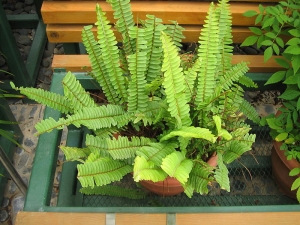
These cute little plants have a real lush, rainforest vibe about them. Sword Ferns are non-toxic to cats and can make great little additions to a room or outdoor garden. These ferns are adaptable and can be grown in a variety of conditions, although they prefer semi-shady spots. They don’t require a lot of water once established, making them great for those who can be a bit forgetful from time to time!

Spider Plant

Spider-Plant-Cat-Friendly-NZ

Spider Plants have long, thin, green leaves that grow in a bunch and have white features on them. These cat-friendly plants – also sometimes referred to as Hens and Chickens – are hardy, making them a great choice for beginner gardeners looking for cat safe indoor plants. Spider Plants like to be placed in a spot that receives bright, indirect light. They can handle a little bit of neglect, making them a good houseplant choice for busy people!

Staghorn Fern

Staghorn-Fern-Cat-Friendly-NZ

The Staghorn Fern is a cat-friendly plant for those looking for something a little different. These plants are air plants, meaning they grow without the need for soil. They can often be found mounted onto trees or the sides of houses, and offer an interesting way to break up the monotony of an outside wall. These plants like filtered light, and should be placed in a spot where they are away from strong winds. Staghorn Ferns don’t require a lot of water, making them an interesting hardy choice.


Need help?

If you need help pruning your garden, contact Jim’s Mowing NZ on 0800 454 654 or book online.


How to Identify Different Lawn Diseases

Proper treatment begins with the correct diagnosis.

To the untrained eye, lawn diseases like dollar spots, brown patches, and Pythium may look the same. Indeed, these and other diseases may share a few features which makes it doubly difficult to ascertain the specific disease which plagues your lawn.

The failure to correctly identify your lawn’s disease can aggravate the problem when you end up using the wrong treatment. So how do you distinguish one condition from the other?

Anthracnose

Anthracnose is caused by the pathogen known as Colletotrichum graminocola. A lawn that has been infected by this disease will have yellowish grass with red lesions. Upon close visual inspection, you may notice black fruiting bodies on the leaves.

Turf species like Festuca, Lollum, Poa and Cynodon sp. are particularly vulnerable to the disease.

The disease typically attacks lawns when the temperature goes beyond 25°C, usually between spring and autumn. The combination of high humidity and hot summer temperature in temperate climate zones as well as ample moisture can also lead to the disease.

Brown Patch

The combination of high temperature and high humidity, especially during late spring and summer, can lead to brown patches which typically affect bent grasses and fine fescues. However, warm season grasses can also be affected by this fungal disease.

If the lawn is mown closely, you may notice a greyish or purplish smoke ring around the perimeter of the affected areas on the lawn, especially in the morning when there are still dew drops. As the day advances, the colour of the smoke ring becomes tan.

If the lawn is mowed higher, it may appear thinner and in great need of moisture. In some cases, the centre of the ring may seem unaffected by the disease while the area encircling it may exhibit signs of damage and discolouration.

Dollar Spot

Dollar spot is another fungal disease that is characterised by the small spots, usually around 25 to 65mm in diameter, found close to one another. These spots appear to be sunken on the lawn and will have a brown colour.

Upon close inspection, these spots look paler and the infection usually covers the width of each leaf blade. In coarser turf species, the spots are diffused and affect just a part of the leaf blades. Affected leaf blades may also feel greasy or slimy to the touch.

The fungal disease, caused by Sclerotinia homeocarpa, can attack a diverse array of turf species. However, the most vulnerable species are the Zoysia, Cynodon, Kikuyu, and Agrostis.

The turf can become vulnerable to the disease when the soil’s pH level is less than seven, if there is poor drainage, humidity exceeds 90 percent for over nine hours, the daily minimum temperature is above the 17 to 20°C range, and the daily maximum temperature range is over 28°C.


Fusarium

Fusarium is a fungal disease that is caused by Microdochium nivale and typically attacks lawns when the temperature is around 16°C and when there is low humidity.

A lawn infected by the disease will have circular patches in areas that have been water-soaked. Each patch is usually no bigger than 5cm but can go as large as 20cm. Initially, the patches will have a brownish hue which will later become light grey.

Helmo

Helmo, also known as Helminthosporium, is a lawn disease that may be caused by different species of fungi, including Bipolaris, Curvulari, Dreschslera, and Exserohilum.

The disease requires a temperature range of 3°C and 30°C, high humidity, and ample moisture in order to thrive and survive.

Among the symptoms exhibited by the affected lawn include small dark patches, patches of dead grass about 10cm in diameter. Usually, the affected grass blades will turn yellow first before dying.

Pythium

This disease is caused by Sclerotinia homeocarpa and can affect both warm and cool grasses. However, Lolium and Agrostis are particularly vulnerable to the disease.

Pythium affects different parts of the grass. When the leaf blades are affected, the condition is called grease spot or cottony blight. On the other hand, if the affected parts of the plant are the root and crown, the disease is called Pythium crown or root rot.

The disease is characterised by small greasy spots on the affected parts. When these spots dry out, their colour will become yellowish to reddish.

Lawns can become vulnerable to the disease when the minimum daily temperature is above 17 to 20°C, the daily maximum temperature is above 28°C, and when the humidity is above 90 percent.


How clean are your gutters?

Many homeowners don’t get their gutters cleaned until there is a noticeable issue. Sadly, that is kind of like waiting to reduce your cholesterol until after you have had a heart attack.

Gutters often go overlooked – with so many other things to address, and who likes to climb up ladders unless you have to anyway?  However, ensuring gutters are properly maintained is an integral part of home maintenance.


By the time a problem is apparent, there can be so much rubbish and debris clogging the gutters that it can literally start hanging off the roof, further sabotaging efforts to ensure water drainage flows away from your home.  Clogged gutters can result in damage to fascia, drainpipes, roofing, or even create water leaks inside your home.  And this is before the impact of water damage on the foundations of your home – which should be avoided at all costs.

There are many benefits to regular gutter cleaning:

  • Prevents water and storm damage to your home
  • Avoids the creation of nesting areas for termites, birds, mosquitoes, and other insects
  • Prevents destruction of landscaping
  • Avoids build-up of combustible material – critical in high fire danger areas.
  • Helps maintain value and beauty of your home

Try to schedule regular gutter cleaning services at least twice per year -ideally in spring before the storm season hits; and again during autumn to remove leaves from seasonal trees.

Schedule a regular gutter cleaning service so that you don’t have to think about it again, and your home will be well protected in all weather conditions.

Need Help?

If you would like help cleaning your gutters, please call Jim’s Mowing on 0800 454654 or book a gutter cleaning service online.


Got Junk?

Get your yard back and clear out all that rubbish – you will be amazed at just what an impact this will have on the space you gain back to enjoy with friends and family again

Without realizing it, many people allow things to start piling up in their yards quite innocently. And yet before long, the things that were “temporarily” stored have accumulated. And more added besides. And before they know it, they have junk piled up so high in their backyards that it can be seen on Google Earth!

Many people stop socializing at home as much because they are embarrassed by the growing mess.  They would not feel comfortable inviting people over for a backyard BBQ given the mess out there.  This can even have a flow on effect to friends and family, who can often feel a little rejected if they are never invited over, or if they are always left to play host instead.

Piles of rubbish are unhygienic – not just in the mould that can accumulate, but also in the vermin, pests, and other bugs it might play host to.

Cleaning up the rubbish might enable much of the goods to be donated to people in need – you only have to think of the many natural disasters that have occurred either via floods, bush fires or drought to realize how many people might benefit from that chest of drawers that you are not using.

Many materials can be recycled via scrap metal yards, clippings can be mulched and more importantly for you, and your friends and family, you will have a much bigger space to get out and enjoy some backyard cricket, a BBQ or two or may be even indulge that green thumb and start a veggie patch.

And of course there is the financial benefit as well. A thorough clean-up of any property can dramatically boost valuations, and increase curb appeal to potential buyers and renters alike.

Need Help?

If you have need help cleaning up your yard and getting rid of rubbish fast, contact Jim’s Mowing on 0800 454 654 or book online.

Garden Irrigation Maintenance Tips

Planting a garden is one thing, but garden maintenance is ongoing. The planting is merely the beginning of the work – now you have to start staking, watering, mulching and the ongoing schedule of plant and garden care.

There is a lot involved in maintaining your garden – which is why more than a few things are usually neglected in most gardens. Here are few tips to ensure a successful garden even if you never own a garden before.

Watering: is a simple and basic fact that plants need water to grow. However it can be tiring sometimes and this might affect our plants. Consistent watering usually yields the best result in your garden.  You might look into soaker hose or a drip irrigation if you have a large garden. This could save you a lot of money, actually up to 65% of water used by the sprinkler system and will ensure your plants get watered without having their leaves wet and eliminate disease problems.

Mulching: 3-4 layers of mulch should be spread over vegetable beds. This will help reduce loss of water from the soil and fully reduce the growth of weed. Look for organic mulch sources like shredded dry leaves, dry grass clippings, compost, straw and many more; they add a great value of nutrient to your garden soil and build its soil structure. They also reduce the growth of weeds and water loss.

Fertilizing: fertilizer and soil additives like garden limestone should be added to soil, based on your soil structure and a soil test result.  Don’t waste time and money treating the soil without testing the soil pH first, to ensure the best result for the garden soil. Organic fertilizers such as blood meal and alfalfa meal, and mineral fertilizers like crushed stone are excellent for soil and so plant health. If you do use any chemical fertilizers, ensure they are strictly in recommended proportion as overuse can be detrimental to the  garden, and “burn” plants.

Weed control: weeds usually are major problem for not only as direct threats to existing plants but because they also house diseases and insect which may do significant damage to your garden if not taken care of early. It is advisable to weed regularly, especially at the early stage of the growing season. This will make it much easy to keep weeds at bay.

Cool plants: when the weather becomes very hot, it is advisable to provide shade for plants to avoid wilting. Basic cheesecloth is a very good shade cover you can look out for, that is still cost effective. Or you might look at erecting a shade cloth, garden umbrella or even a shade sail to protect some areas of the garden in high summer.

Keep clean: it is advisable to always remove and destroy any part of the plant that has any form of disease so as to protect the healthy one. If quickly controlled, it might not spread to other plants but in case it already has, removing or taking off just the damaged part will be enough in many cases. It depends on the infection, by the way, you might have to remove the entire plant in some cases.

If Jim’s can help, whether you’re taking a break and going on holiday or want regular garden maintenance, no job is too big or too small.  Just call 0800 454654 for a free quote or book a Jim’s online.