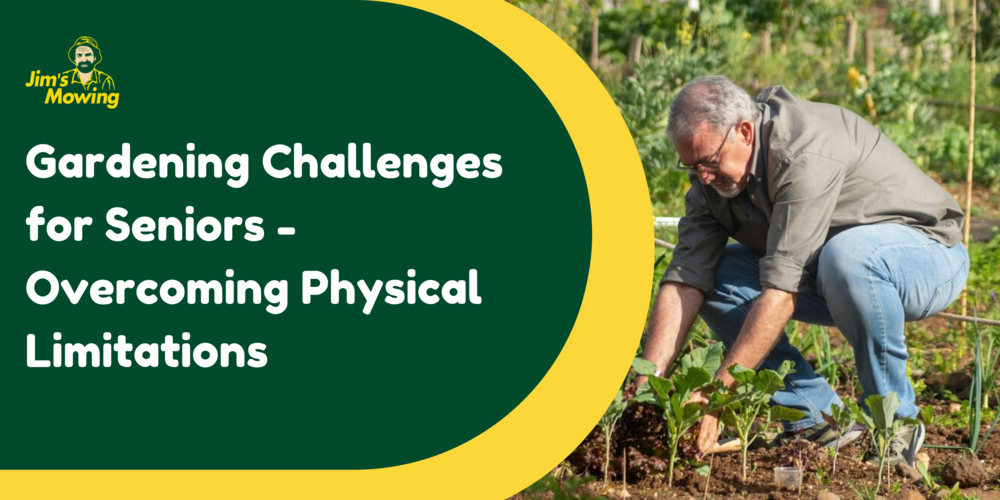
How To Overcome Gardening Challenges for Seniors with the Help of Professional Services
Blog Overview
Gardening, while therapeutic, often becomes challenging for seniors due to age-related issues like limited mobility, chronic pain, and poor balance, which compromise both their comfort and safety. Hiring a professional gardening service is the best solution, allowing elderly individuals to continue enjoying a beautiful, well-maintained outdoor space without compromising their health or safety.
Discussion Points:
- Limited Mobility – A Barrier to Movement
- Chronic Pain – Making Gardening a Struggle
- Reduced Strength – Heavy Lifting Becomes a Challenge
- Poor Balance – The Risk of Falling
- Vision Impairment – Difficulty Spotting Weeds and Pests
- Limited Dexterity – Difficulty Handling Tools
- Fatigue – Shorter Endurance for Physical Tasks
- Respiratory Issues – Breathing Difficulties in the Garden
- Cognitive Decline – Forgetfulness and Confusion

As we age, our physical abilities change, and many everyday tasks that were once simple can become increasingly difficult. Gardening, a beloved pastime for many, is one such task that can become a challenge for seniors due to various physical limitations. However, the joy and therapeutic benefits of tending to a garden can still be accessible with the right support. Hiring a professional gardening service is an excellent way for elderly individuals to continue enjoying their gardens without compromising their safety or comfort.
1. Limited Mobility – A Barrier to Movement
The Challenge
For seniors, reduced mobility is one of the most common physical limitations. Conditions like arthritis, stroke, or general age-related decline can make movement more challenging. Tasks such as bending down to weed, reaching to prune plants, or even walking to different garden areas can feel like insurmountable obstacles.
How Gardening Services Help
- Handle physically demanding tasks like weeding, planting, and pruning.
- Reduce the need for seniors to move around the garden.
- Create accessible garden features such as raised beds.
2. Chronic Pain – Making Gardening a Struggle
The Challenge
Seniors who suffer from chronic pain, particularly from arthritis or conditions like fibromyalgia, may find gardening to be a painful endeavor. Bending, kneeling, or using tools can exacerbate joint pain and lead to discomfort or injury.
How Gardening Services Help
- Take over strenuous activities to prevent pain or injury.
- Use ergonomic tools and gentle techniques.
- Ensure garden upkeep without risking seniors’ health.
3. Reduced Strength – Heavy Lifting Becomes a Challenge

The Challenge
As people age, they often experience a decline in muscle strength. This can make tasks like lifting heavy bags of soil, moving large pots, or carrying gardening tools quite difficult. Many gardening tasks require strength and stamina, and seniors with reduced muscle mass may struggle to complete them.
How Gardening Services Help
- Lift and move heavy items like pots, soil, and mulch.
- Use proper equipment to manage strength-based tasks.
- Keep the garden thriving without physical strain on the senior.
4. Poor Balance – The Risk of Falling
The Challenge
Balance tends to decline with age, making it easier for seniors to trip or fall while working in the garden. Uneven ground, steep inclines, or slippery surfaces can pose a serious risk to those with compromised balance, especially if they are carrying tools or bending over.
How Gardening Services Help
- Perform tasks that could cause falls or accidents.
- Improve garden safety by creating level paths and removing hazards.
- Work efficiently in varied garden terrains to reduce risks.
5. Vision Impairment – Difficulty Spotting Weeds and Pests
The Challenge
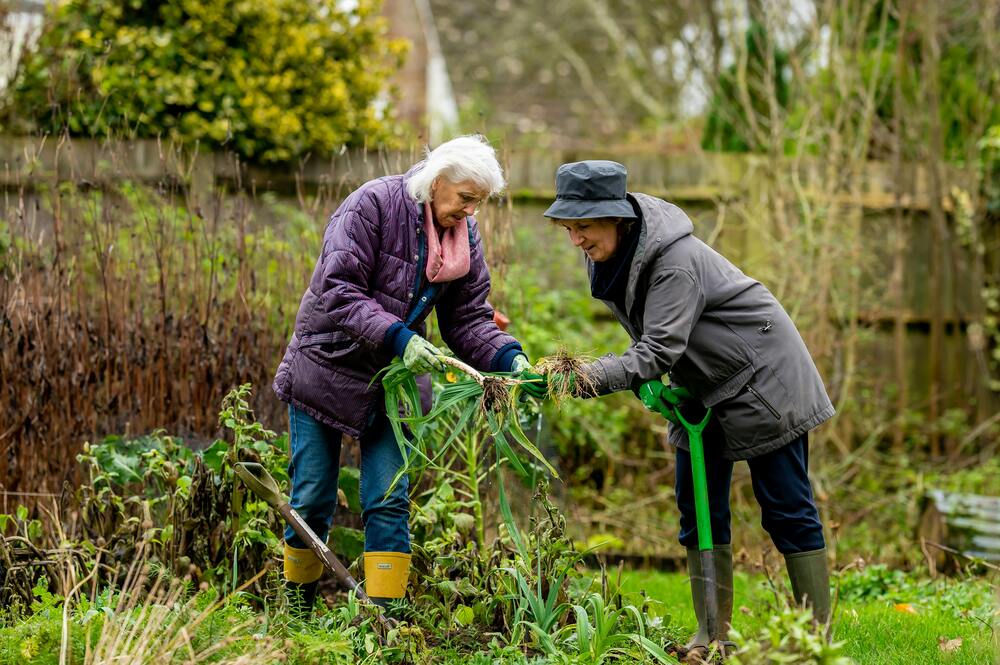
As people age, vision can decline, making it harder to see small details in the garden. Seniors with vision problems may struggle to spot weeds, pests, or plant diseases, which can lead to neglected areas or unhealthy plants.
How Gardening Services Help
- Spot and treat issues like weeds, pests, or plant diseases.
- Ensure proper maintenance even when visual detail is limited.
- Help preserve a healthy, attractive garden.
6. Limited Dexterity – Difficulty Handling Tools
The Challenge
Age-related decline in hand strength and dexterity can make it difficult to grip gardening tools or handle delicate plants. Seniors may struggle with tasks like planting seeds, trimming small branches, or handling gardening shears, which requires fine motor skills.
How Gardening Services Help
- Perform tasks that require fine motor skills, like pruning or planting.
- Use tools and techniques suited for precision work.
- Recommend adaptive tools that are easier for seniors to handle.
7. Fatigue – Shorter Endurance for Physical Tasks

The Challenge
As we age, energy levels tend to decrease, making it difficult to keep up with physically demanding activities. Gardening can quickly become exhausting for seniors, who may need frequent breaks during tasks that require endurance, such as weeding or planting.
How Gardening Services Help
- Complete energy-intensive gardening tasks.
- Spread out work to prevent overexertion
- Allow seniors to enjoy their garden without becoming overly tired.
8. Respiratory Issues – Breathing Difficulties in the Garden
The Challenge
Many seniors suffer from respiratory conditions like asthma, COPD, or general lung issues. These conditions can make it difficult to be in dusty, pollen-filled environments or to exert oneself physically.
How Gardening Services Help
- Minimize exposure to dust, pollen, and other allergens.
- Handle tasks like mulching and debris removal.
- Reduce time spent outdoors during allergy seasons.
9. Cognitive Decline – Forgetfulness and Confusion

The Challenge
Cognitive decline due to conditions like dementia or Alzheimer’s can make it difficult for seniors to remember gardening tasks or safely use gardening tools. They may forget to water plants or misuse tools, leading to unsafe situations.
How Gardening Services Help
- Maintain routine care with consistency and safety.
- Follow a structured plan to manage gardening needs.
- Support a safe and beautiful outdoor space without relying on memory.
Final Thoughts
While physical limitations can make gardening challenging for elderly individuals, hiring a professional gardening service can ensure that seniors continue to enjoy their outdoor spaces. A gardening service provides expert care, eliminates physical strain, and helps create a safer, more manageable garden environment for your loved one.
To learn more about the advantages of professional support, check out our blog on the benefits of hiring gardening services for the elderly. By taking advantage of services like those offered by Jim’s Mowing NZ, seniors can maintain their connection with nature and enjoy the many benefits of a beautiful garden—without putting their health and safety at risk. Call us today at 0800 454 654 to learn more about how we can help!
Frequently Asked Questions (FAQ)
What is the most common safety risk for seniors who try to garden?
The most common safety risk is poor balance, which makes it easier for seniors to trip or fall on uneven ground or steep inclines while working, especially if they are bending over or carrying tools.
How can professional services help seniors dealing with chronic pain?
Professional services take over strenuous activities like bending, kneeling, or using tools, which can exacerbate joint pain from conditions like arthritis or fibromyalgia, thus preventing pain and injury.
Besides physical tasks, how can gardening services help seniors with cognitive decline? For seniors dealing with cognitive decline, gardening services provide routine care and consistency, following a structured plan to manage the garden’s needs and ensuring a safe, beautiful space without relying on the individual’s memory.
How can professionals mitigate gardening challenges for seniors with respiratory issues? Professionals can handle tasks that stir up allergens and dust, such as mulching and debris removal, thereby minimising the senior’s exposure to pollen-filled environments and reducing their time spent outdoors during high allergy seasons.